Commissions
Four ways to have a budget read and drawn.
The Council Budget Folio is the work we are asked for most. The other three exist because a full bound book is sometimes the wrong thing to put on the table.
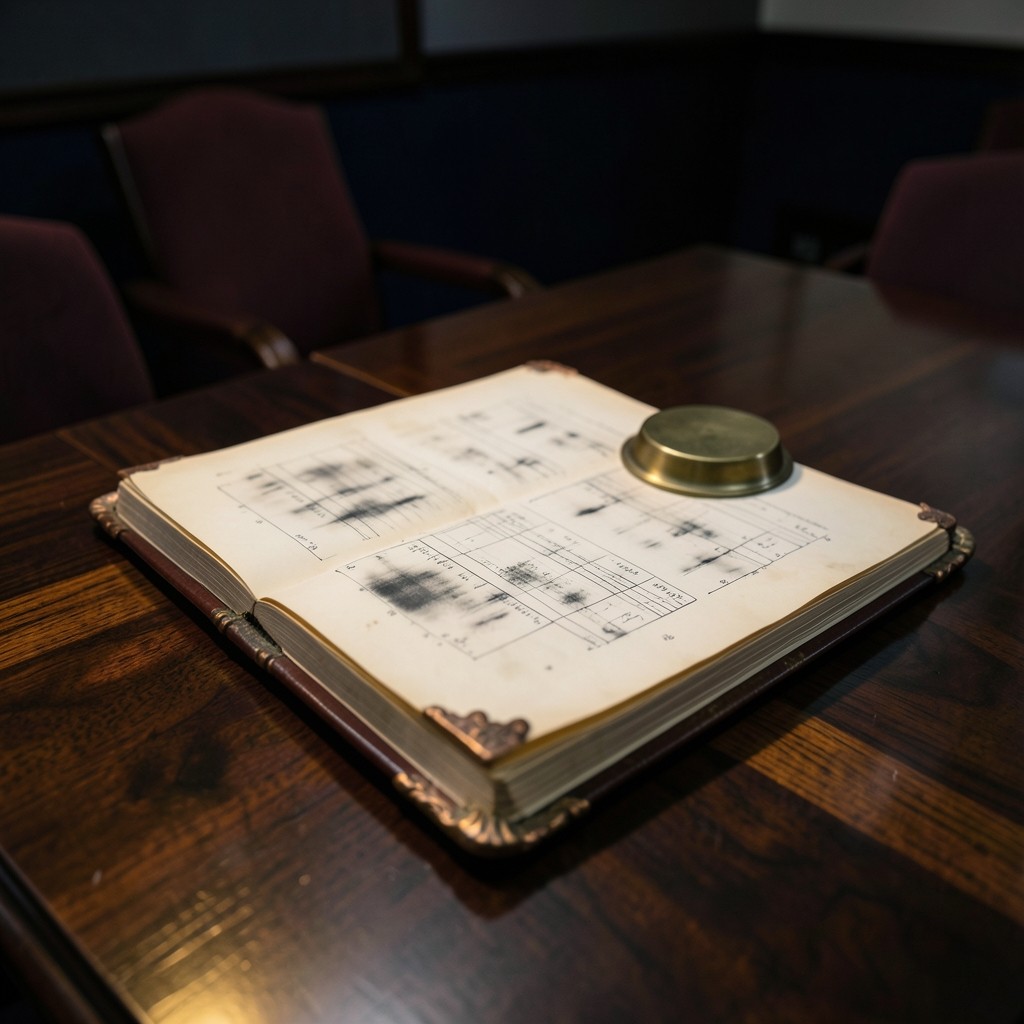
Folio 01 · principal
One fiscal year, drawn as a bound set of charts that keep the ordinance's own heads, then walked through with the council in a half-day briefing.
Four to six weeks from a complete draft ordinance · Quoted from the number of heads, and from whether capital works are in the book
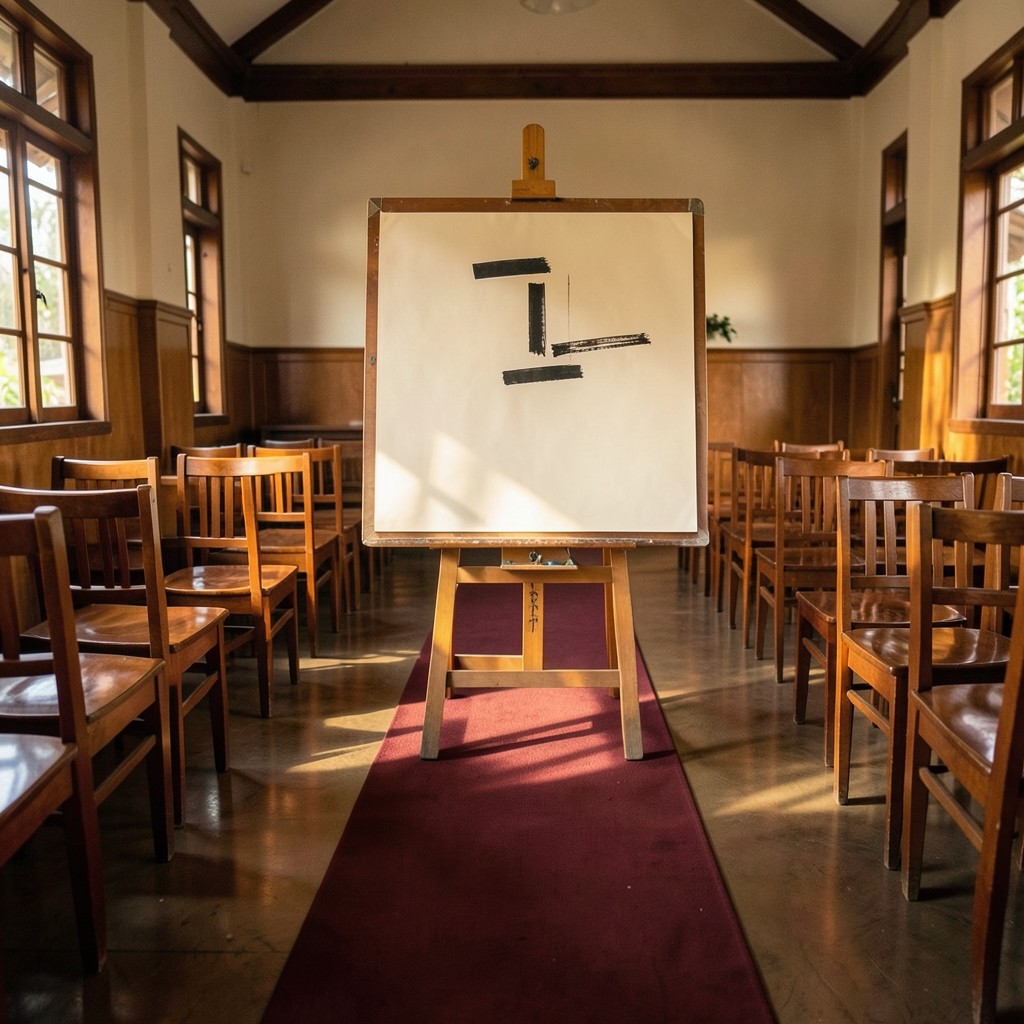
Folio 02
One large sheet for a ward or civic meeting, limited to the lines that meeting can actually discuss, each with its official head and a single plain sentence.
Ten to fourteen days · From a set of up to eight lines; further lines are quoted
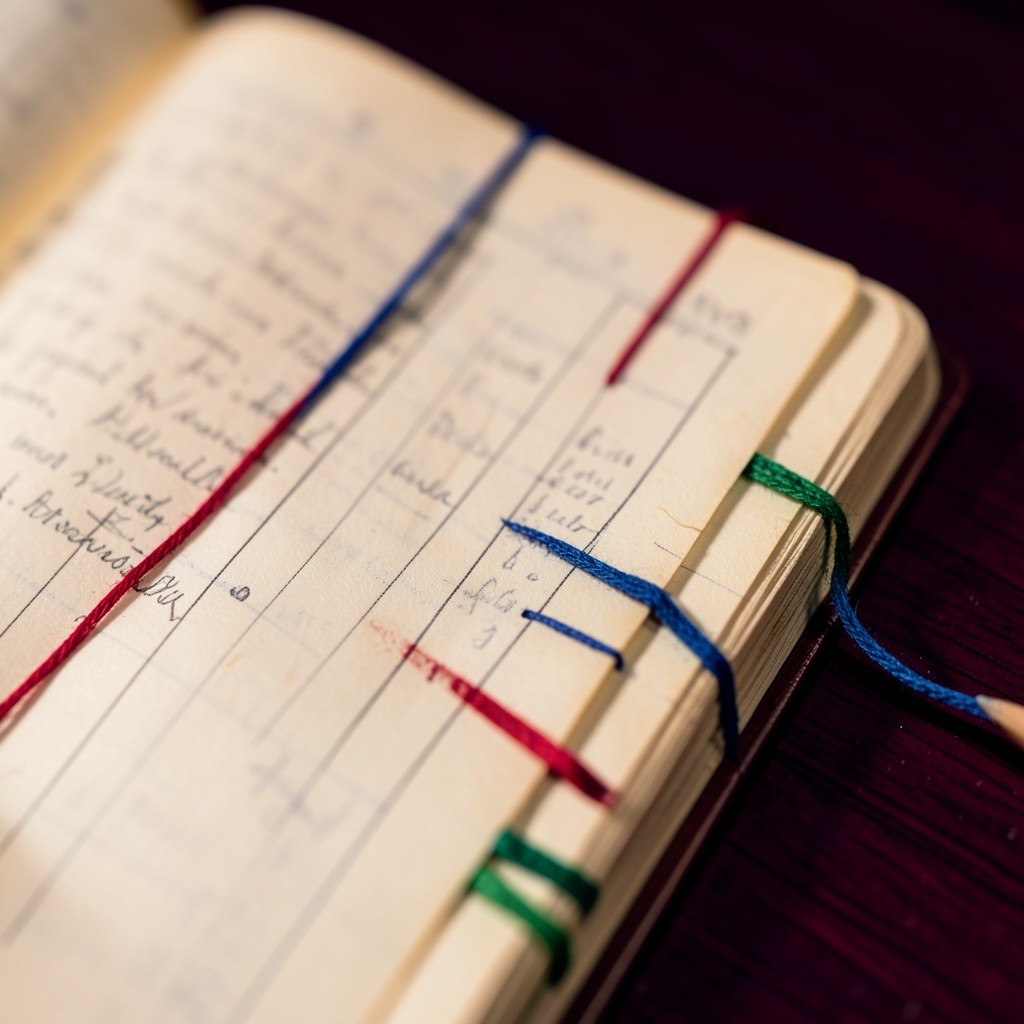
Folio 03
A desk reading that marks where a chart would drift from the ordinance, delivered as annotated pages rather than a bound set of drawings.
About ten days for a single fund · From a single fund; a second fund is quoted on top
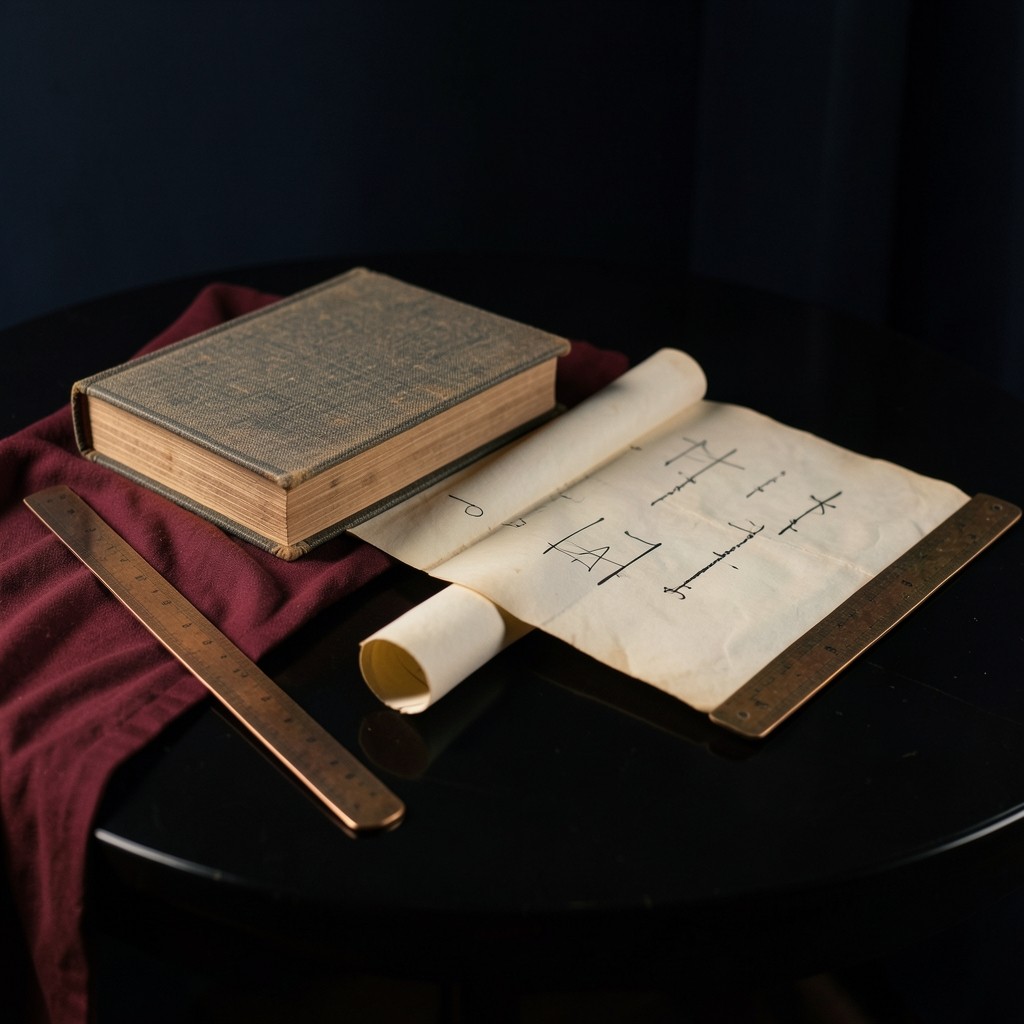
Folio 04
Two ordinances set side by side, matched on the official project name first, with new and closed lines marked instead of forced into a percentage.
Three to five weeks once both ordinances are in hand · Quoted higher when project names were reorganized between the two years
If you are unsure which object you need, the reading room describes the order we follow, and the contact page is the place to send the fiscal year and the draft’s length.