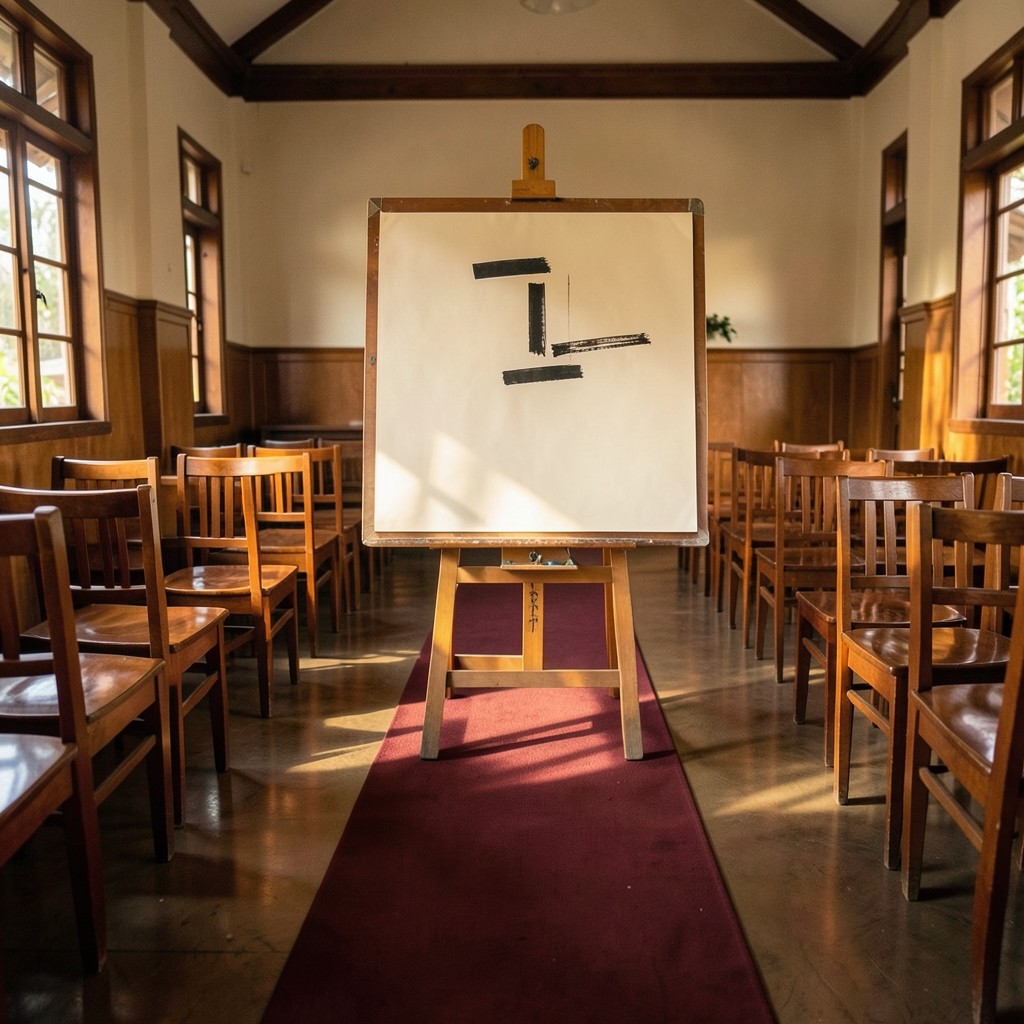
Folio 02
Hearing Sheet
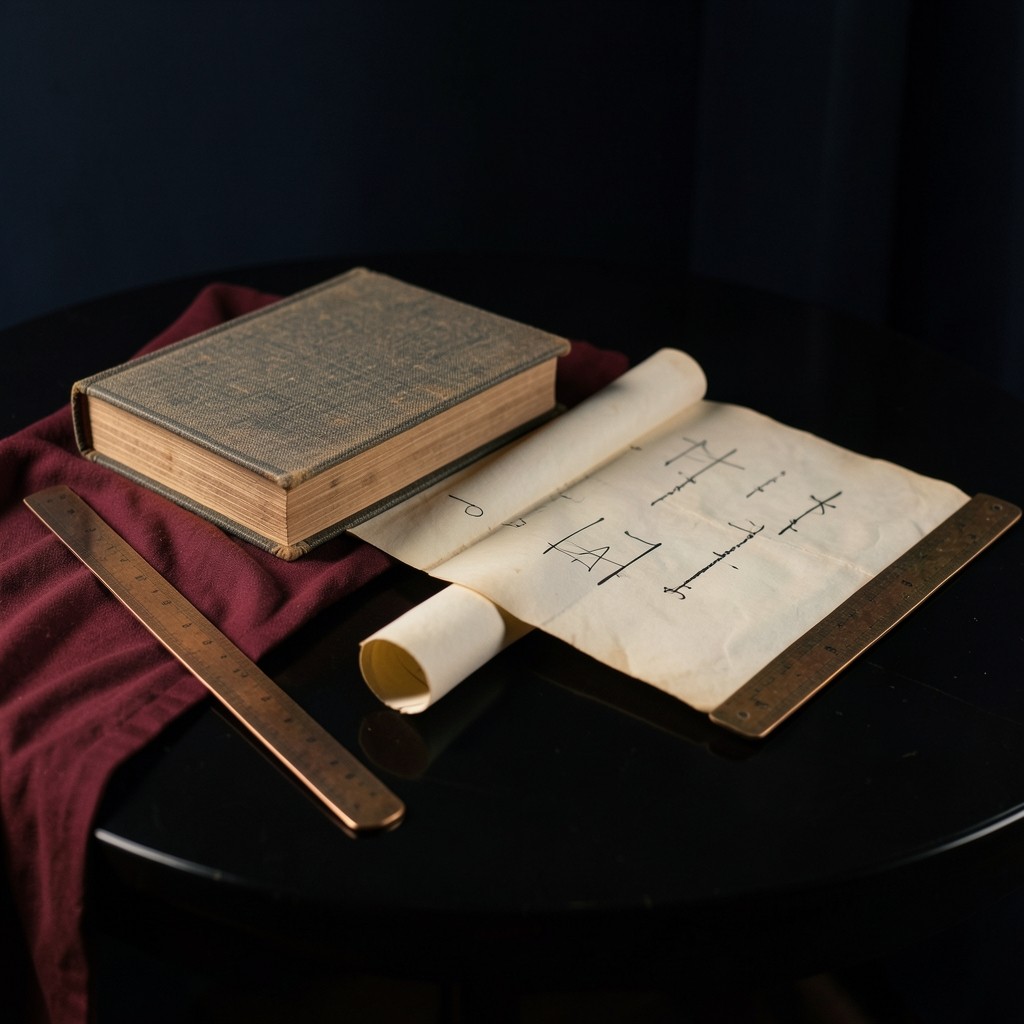
One large sheet for a ward or civic meeting, limited to the lines that meeting can actually discuss, each with its official head and a single plain sentence.
Khlong Sam Wa · Bangkok · est. 2014
Think Anchor Analytics reads a municipality’s draft ordinance and returns a bound folio of charts for the people who have to vote on it.
See the Council Budget Folio
What leaves the studio
Each commission begins with the draft the budget office already holds: the expenditure ordinance, the revenue estimate, and the capital appendix if it lives apart. We list every head we mean to draw and send that list before ink. The clerk marks the misses. Only then are the charts made.
The bound folio uses the ordinance’s own plan, work, and project names. A plain-language line sits beside the official name and is labeled as a gloss, so the minutes do not record our sentence as a new title. A hearing sheet for the public sitting is tucked at the back. The briefing is half a day in the chamber, or at the studio on Hathairat Road if the council would rather come to us.
Other commissions
Folio 02
One large sheet for a ward or civic meeting, limited to the lines that meeting can actually discuss, each with its official head and a single plain sentence.
Folio 03
A desk reading that marks where a chart would drift from the ordinance, delivered as annotated pages rather than a bound set of drawings.
Folio 04
Two ordinances set side by side, matched on the official project name first, with new and closed lines marked instead of forced into a percentage.
The members turned the pages. That was new. I do wish the first capital chart had called the drainage line a multi-year tail. I had to send the appendix again, and we lost a week.
From the chamber
Arunee’s office asked for the Council Budget Folio before a May reading. The operating heads matched the draft on the first pass. The capital appendix did not: one drainage project carried a tail into the following fiscal year, and our first chart showed only the slice in front of the council. The correction is recorded, with the rest of that sitting, on the stories page.
Write with the fiscal year and the meeting date if you want an estimate. Rates depend on the shape of the book, and they are set out on the rates page.