Capital works · 28 July 2026
A capital line is a place, not a smaller bill
Capital expenditure carries a site and a tail. Treating it as a shorter operating line is how a chamber approves a road it cannot later maintain.
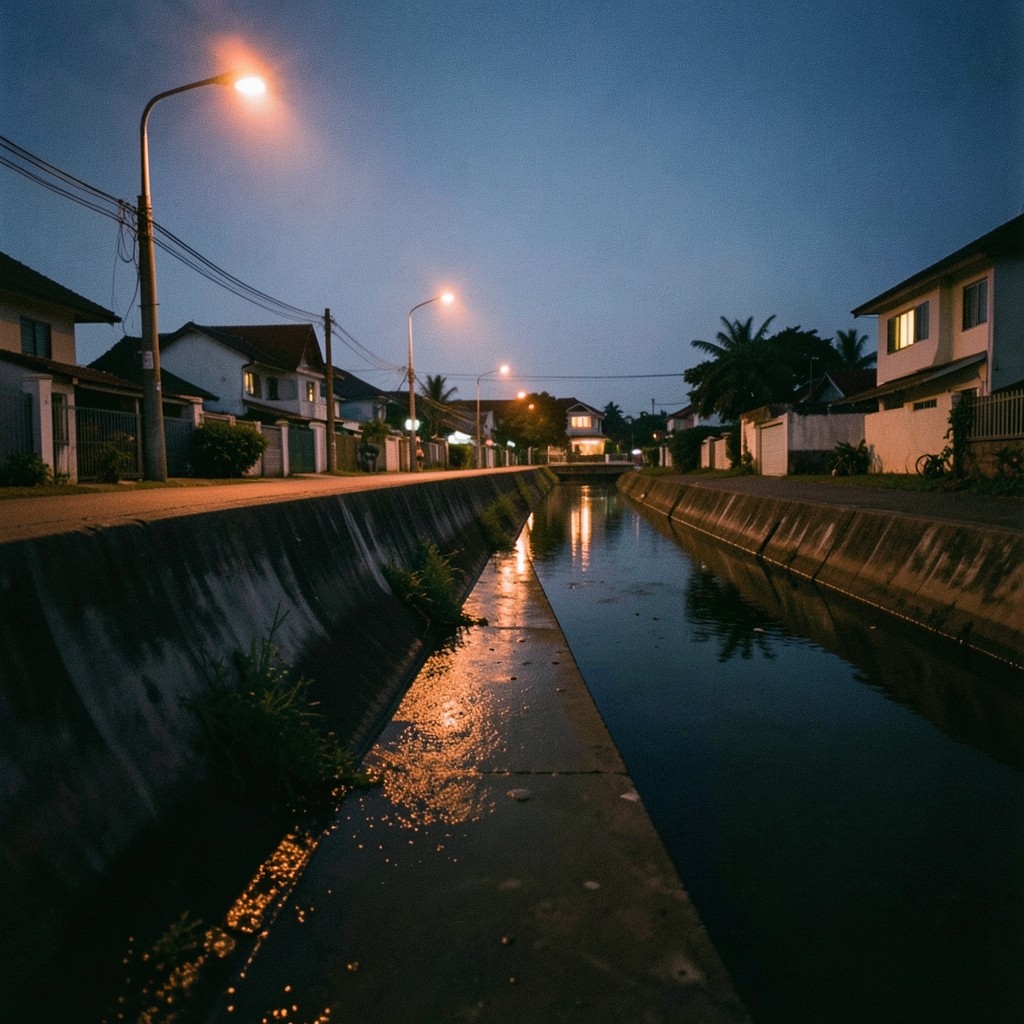
Operating money leaves within the year. Capital money is supposed to leave a thing behind: a drain, a road surface, a row of lamps, a market roof. In a Thai municipal ordinance the capital appendix is where that promise is written, and it is where a hurried chart does the most damage.
Three questions are worth asking before the vote, and they are ordinary questions, not a specialist ritual.
The first is whether the project name is a place a councillor can visit. “Drainage improvement” can mean one soi or an entire subdistrict. If the appendix names the soi, the chart should name the soi. If the appendix itself is vague, the chart should stay vague and the vagueness should be visible. Inventing a map the document does not support makes the studio look precise and the ordinance look finished. Neither is true.
The second is whether the baht figure is this year’s appropriation or the whole project across several fiscal years. Local budgets often show a continuing work with a slice in the present ordinance and a remainder that will have to be asked for again. A bar that uses the whole project cost, unlabeled, tells the chamber the money is already in this book. A bar that uses only this year’s slice, also unlabeled, tells them the drain is cheaper than it is. The folio practice at our studio is to print both numbers when both exist, and to say which one the council is being asked to appropriate now.
The third is what the operating budget inherits after the works open. A new market shed needs a cleaner, electricity, and eventually a repair. Those lines may be absent from this year’s operating head because the shed is not open yet. The chart can note the absence. It should not invent a future maintenance figure the clerk has not estimated. “No operating line yet” is a true caption. A guessed number is a second budget, and we are not the council.
Councillors who have walked the site will forgive a plain drawing. They will not forgive a drawing that relocates the site to make the composition calmer. If the capital list and the map disagree, stop and ask the clerk which page governs. The page governs.
Related commissions sit on the folios page. If a draft on your desk has this problem in it, write to the studio with the fiscal year.